
Is a Robot Doing My Surgery? 5 Myths About Robotic Dental Implants
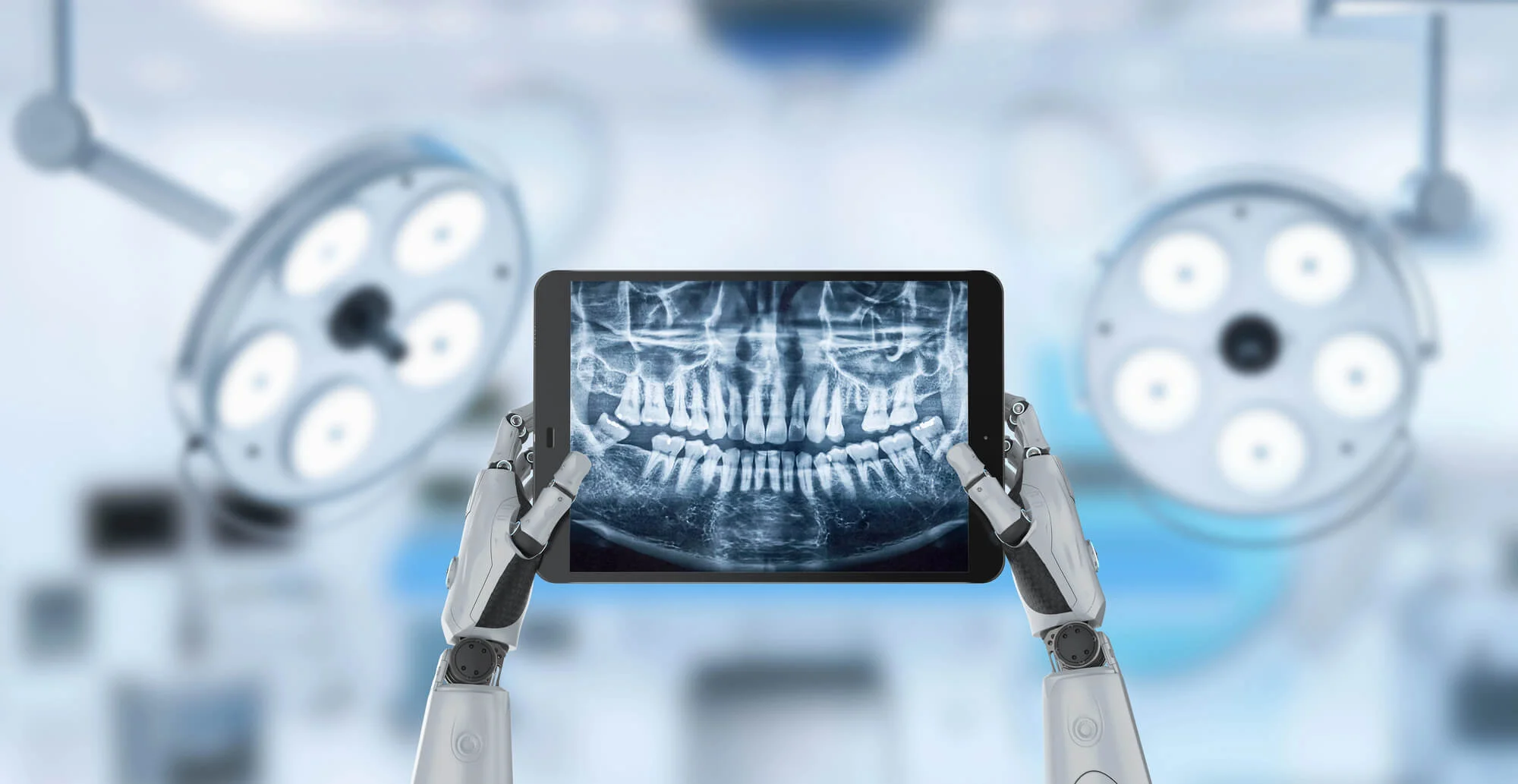
Hearing the word “robot” in a dental office can conjure up some sci-fi images. If you’re exploring robotic dental implants in Michigan, you might picture a machine working on its own while your dentist watches from across the room. The reality is much more reassuring.
With robotic-assisted implants, technology guides your dentist’s hand to place each implant exactly where it was planned. Let’s clear up a few common myths.

Myth #1: The Robot Performs the Surgery
Your dentist is in control the entire time. Systems like Yomi use haptic feedback, which means the robotic arm physically guides the dentist’s movements and keeps the instrument on the planned path. A review of robot-assisted implant surgery explains how this guidance works.
Think of it like a skilled driver using lane-keeping assist. The driver still steers, but the car helps them stay on course.
Myth #2: Robotic Implants Are Untested
Yomi received FDA clearance in 2017, and researchers have been studying robotic implant placement for years. A systematic review on implant accuracy found robotic systems placed implants more accurately than traditional methods. The authors also note that more clinical research is still needed, which is normal for any newer technology.
Myth #3: Robotic Surgery Is More Invasive
It’s often the opposite. Because every movement follows a precise digital plan, patients who are already missing teeth may not need any cutting of the gums or stitches. Less disruption to the gums can also make healing more comfortable.
That plan starts with a cone beam CT scan, a 3D X-ray that maps your bone and nerves before surgery day.
Myth #4: It’s Only for Complicated Cases
Robotic guidance can help with a single tooth implant as well as a full arch of teeth. Whether it’s right for you depends on your mouth, your goals, and your treatment plan.
Myth #5: More Technology Means Less Personal Care
Technology doesn’t replace the relationship with your dentist. Your dental team still listens to your concerns, designs your plan with you, and guides you through recovery. The robot simply adds precision to the part that happens in the chair.
Curious how this technology fits into modern tooth replacement? Explore more about teeth replacement with Yomi.
FAQs About Robotic Dental Implants in Michigan
Is robotic implant surgery safe?
Yomi is FDA-cleared, and the dentist stays in control throughout the procedure. As with any surgery, your dentist will review your health history to make sure treatment is a good fit.
Will I be awake during the procedure?
That depends on your treatment and comfort level. Local numbing is standard, and many offices offer sedation options for patients who feel nervous. Your dental team will talk through what to expect so there are no surprises.
Am I a candidate for robotic implants?
Many people who qualify for traditional implants can benefit from robotic guidance. If you have bone loss, your dentist can explain additional options. A consultation with imaging is the best way to find out.

Explore Robotic Dental Implants in Michigan With Our Team
At Smoler Smiles, we were the first office in Michigan to offer Yomi robotic-assisted implant surgery, and we’re the only office in the state performing full-mouth treatment with it. We’re always happy to show you how it works and answer your questions.
Contact our team to schedule a consultation and find out whether robotic dental implants are right for you.